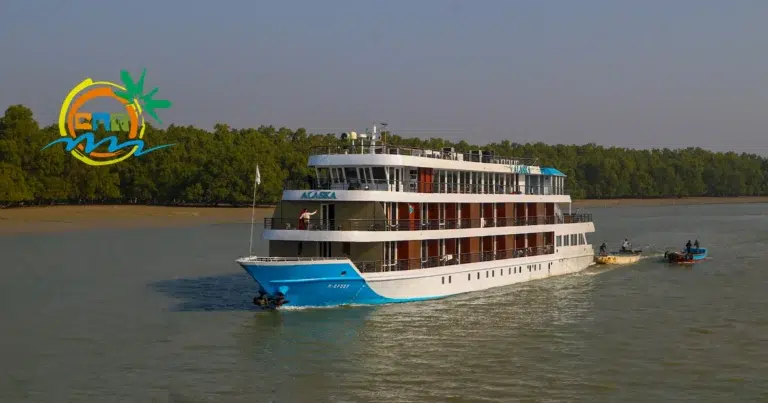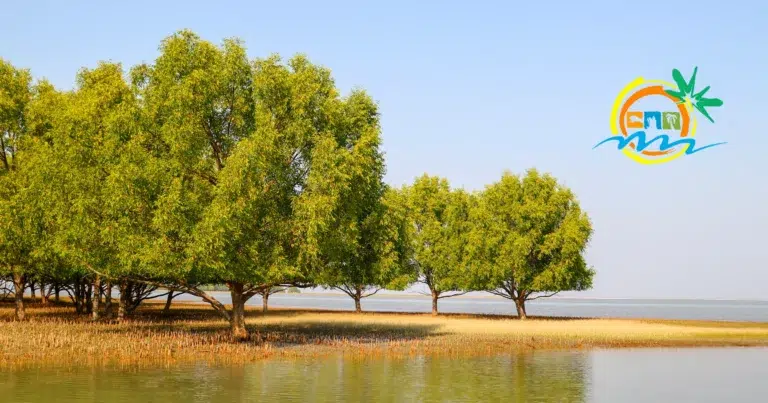
The Sundarbans is the world’s largest mangrove forest on the coast of the Bay of Bengal, known for its natural beauty and biodiversity, and is home to a variety of species of animals, including the Royal Bengal Tiger. The name “Sundarbans” is believed to have originally come from the Sundar trees there, although there are some explanations that the name may have originated from “sea forest” or “moon-bank”. It is spread across parts of Bangladesh and India and is very popular with tourists for its natural beauty and thrilling experience.
General information:
Location: Located on the coast of the Bay of Bengal.
Features: The world’s largest single mangrove forest located in a salty coastal environment.
Area: Spread over an area of more than 10,000 square kilometers.
Biodiversity: This forest is home to a variety of animals, including the Royal Bengal Tiger.
Nomenclature:
The name “Sundarbans” probably comes from the Sundar trees, which grow in abundance there.
Other possible explanations include the name being derived from “sea forest” or “moon-forest” (ancient tribal word), but the most common idea is that it derives its name from the Sundarbans tree.
Travel:
A trip to the Sundarbans can be an exciting experience, with opportunities for canal cruising, forest trekking and wildlife viewing.
Many tourists use ships or boats to stay overnight there and enjoy the natural beauty.
Popular activities:
Fishing and forest tours are common activities in the Sundarbans.
The Forest Department takes various steps to protect the environment and biodiversity.